In today’s fast-paced world, stress, long work hours, and digital distractions make good sleep a rare luxury. People are now realizing that quality sleep is not just about feeling rested; it is essential for overall health and wellness. This awareness has given rise to a new travel trend called sleep tourism, where people travel specifically to improve their sleep quality while enjoying a relaxing vacation. In this blog, we’ll explore what sleep tourism is, why it’s becoming popular, and how you can plan your own sleep-focused getaway.
What is Sleep Tourism?
Sleep tourism is a type of wellness travel where the primary goal is to improve sleep. Unlike typical vacations focused on sightseeing or adventure, sleep tourism centers around rest, relaxation, and creating the perfect environment for deep sleep. Travelers may choose destinations that offer quiet surroundings, nature retreats, or specialized sleep facilities with expert guidance.
Some sleep tourism destinations even provide sleep therapy, meditation sessions, or personalized sleep programs. Essentially, it combines the benefits of travel with scientifically-backed methods to improve sleep quality.
Why Sleep Tourism is Becoming Popular
With increasing awareness about health and wellness, more people understand the link between poor sleep and health problems like anxiety, depression, heart issues, and weakened immunity. According to recent research, adults need 7–9 hours of quality sleep each night, but many fall short.
Sleep tourism offers a solution by allowing travelers to disconnect from their routine, reduce stress, and follow structured sleep routines in a peaceful environment. This trend is growing rapidly, especially among urban professionals, wellness enthusiasts, and those recovering from burnout.
Best Destinations for Sleep Tourism
When it comes to sleep tourism, the right destination plays a crucial role. Locations are chosen for their tranquility, natural surroundings, and wellness facilities. Some top destinations include:
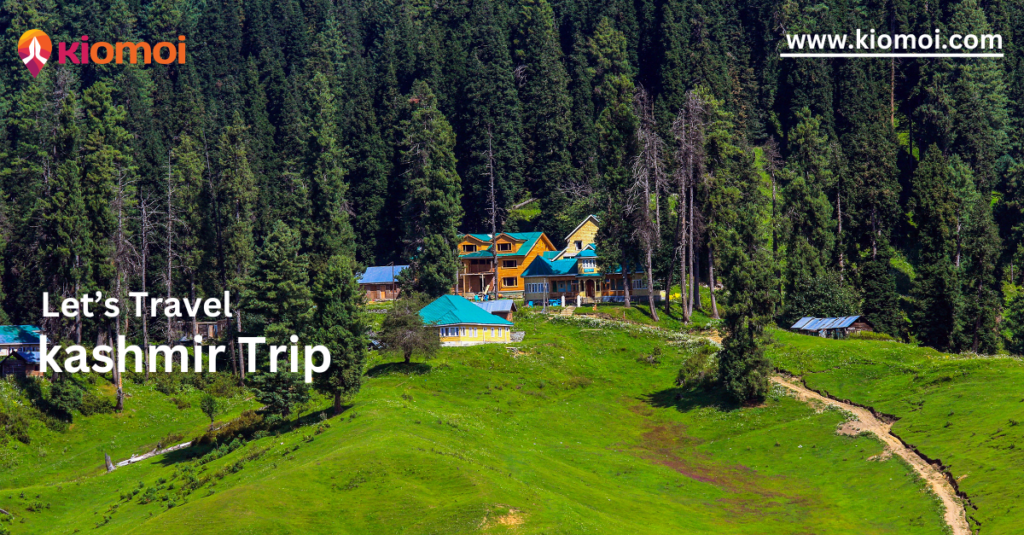
- Forest Retreats and Mountain Resorts – Surrounded by nature, these places reduce noise pollution and allow deep relaxation. Think Himalayas, Swiss Alps, or the Black Forest in Germany.
- Coastal Getaways – The sound of waves and fresh sea air naturally calm the mind. Popular spots include Maldives, Bali, and the Greek Islands.
- Wellness Hotels and Sleep Resorts – Many luxury hotels now focus on sleep, offering sleep pods, blackout curtains, calming scents, and personalized sleep programs. Examples include the Wellbeing Resorts in Thailand and the Sleep & Wellness Retreats in California.
- Silent Retreats and Meditation Centers – Silent retreats, like those in India or Japan, help travelers disconnect from digital distractions and promote mindful sleep routines.
Benefits of Sleep Tourism
Traveling for better sleep isn’t just about feeling rested. It has long-term health benefits that improve your overall quality of life. Some key benefits include:
- Improved Mental Health – Proper sleep reduces stress, anxiety, and depression, leaving you refreshed and focused.
- Boosted Immunity – Deep sleep supports the body’s natural defense mechanisms, keeping illnesses at bay.
- Enhanced Physical Health – Good sleep helps regulate hormones, blood pressure, and heart health.
- Better Productivity and Creativity – Rested minds perform better in work and daily tasks.
- Mindful Living – Sleep tourism encourages a slow-paced, conscious lifestyle that nurtures mental and emotional wellness.
How to Plan a Sleep Tourism Trip
If you want to try sleep tourism, here are some tips to make the most of it:
- Choose the Right Destination – Look for places that provide natural tranquility, fewer distractions, and wellness services.
- Check Sleep-Focused Amenities – Look for resorts or hotels offering sleep programs, meditation sessions, blackout rooms, or sleep-friendly dining.
- Avoid Digital Distractions – Limit phone and computer use during your trip to allow your body to fully relax.
- Incorporate Relaxing Activities – Yoga, gentle walks, aromatherapy, and guided meditation can enhance sleep quality.
- Follow a Consistent Sleep Routine – Try to maintain regular sleep and wake times even while traveling.
- Consult Experts if Needed – Some resorts offer sleep consultations with professionals who can help with insomnia or sleep disorders.
Latest Trends in Sleep Tourism
Sleep tourism is evolving quickly, incorporating new technology and wellness methods. Some recent trends include:
- Smart Sleep Technology – Hotels are using sleep-tracking devices, sound therapy, and personalized room lighting to optimize rest.
- Sleep and Digital Detox Packages – Travelers combine sleep improvement with detox from social media and devices.
- Integration with Fitness and Nutrition – Sleep tourism now often includes wellness diets and light exercise routines to support better sleep.
- Eco-Friendly and Nature-Focused Retreats – Sustainable resorts in serene natural surroundings are attracting more travelers for mindful sleep experiences.
Conclusion
Sleep tourism is more than just a trend; it is a new approach to travel and wellness. By prioritizing sleep, travelers can improve their mental and physical health while enjoying a rejuvenating vacation. Whether it’s a quiet forest retreat, a coastal getaway, or a specialized sleep resort, this type of travel allows you to recharge, reset, and return home with better health and wellness.
If you struggle with sleep or want to experience a relaxing, restorative vacation, sleep tourism might just be the perfect solution. Start planning your sleep-focused trip today and give your body and mind the rest they deserve.