The geopolitical stage is once again alight with contrasting narratives, as Iran vehemently rejects former U.S. President Donald Trump’s claims of a groundbreaking “peace deal.” At the heart of this dispute lies a critical mix of truth and lies surrounding the Strait of Hormuz and the nation’s nuclear ambitions. This isn’t just diplomatic posturing; it’s a high-stakes disagreement with real implications for global energy markets, regional stability, and the ever-tense relationship between Tehran and Washington. For everyday citizens, understanding the nuances of these claims and counter-claims is crucial to grasping the complexities of international politics and potential future flashpoints.
The controversy surged recently when Trump alluded to an undisclosed “deal” with Iran, suggesting it involved the opening of the strategic Strait of Hormuz and a halt to Iran’s nuclear weapons program. These assertions painted a picture of a diplomatic triumph, yet Iran’s swift and categorical denial has cast a shadow of doubt, forcing observers to question the factual basis of such declarations. Why does this matter now? Because even perceived shifts in this delicate balance can send ripples through global markets and ignite further instability in an already volatile region. The stakes are immense, impacting everything from oil prices to international security alliances.
The Core of the Dispute: Hormuz, Nuclear Ambitions, and a Mix of Truth and Lies
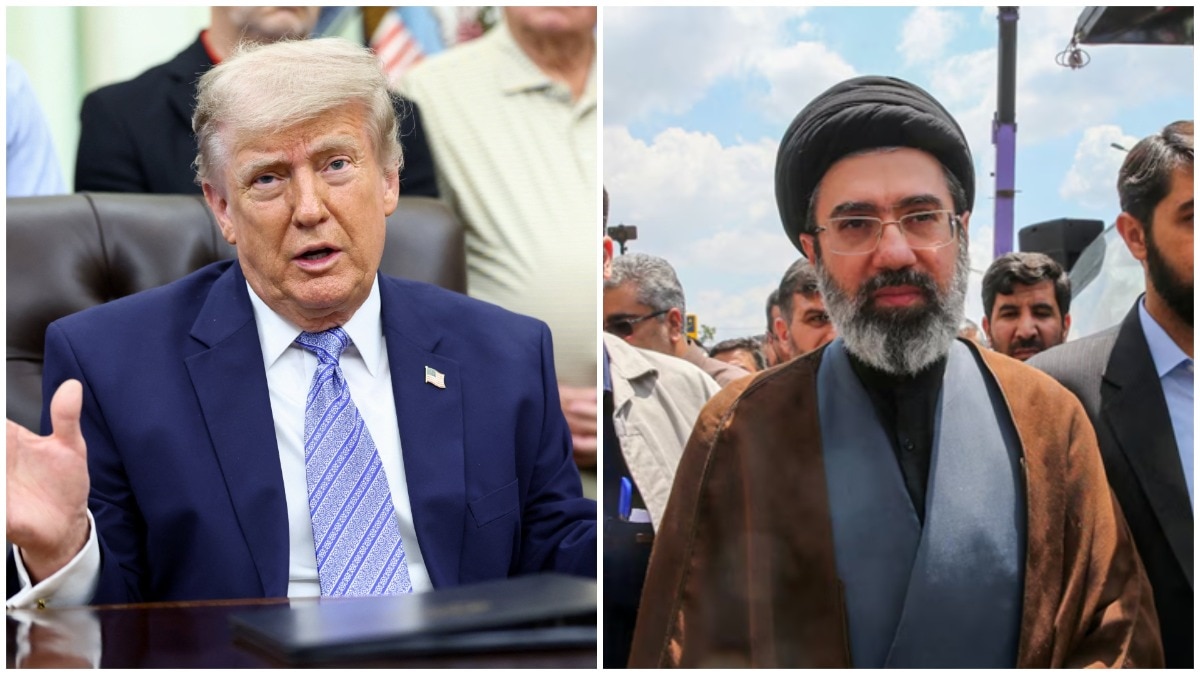
According to official statements from Tehran, particularly from the Islamic Revolutionary Guard Corps (IRGC) and the semi-official Fars news agency, Trump’s claims are “baseless” and an attempt to portray a “fabricated victory.” Brigadier General Ramezan Sharif, spokesperson for the IRGC, explicitly stated that no such negotiations or agreements took place. This denial focuses specifically on the two central pillars of Trump’s assertion: the opening of the Strait of Hormuz and any halt to Iran’s alleged pursuit of nuclear weapons. Iran views the former as a matter of national sovereignty and the latter as a fabrication, reiterating its long-held stance that its nuclear program is for peaceful purposes.
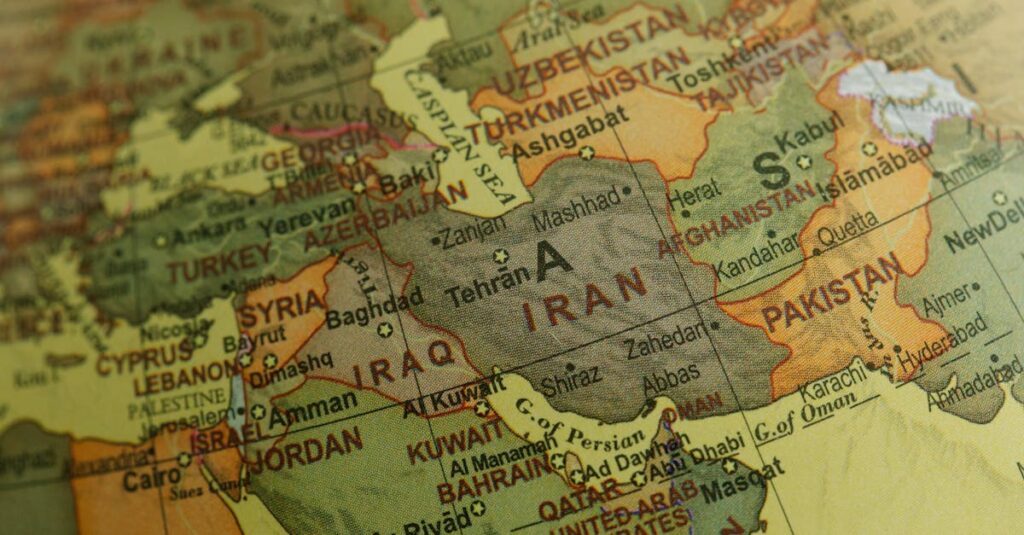
The Strait of Hormuz, a narrow choke point at the mouth of the Persian Gulf, is strategically vital. Approximately one-fifth of the world’s total oil supply passes through it, making any threat of closure a global concern. Iran has, in the past, threatened to close the strait in response to sanctions or military aggression, using it as a powerful bargaining chip. Therefore, any “deal” concerning its opening would be a monumental shift, and Iran’s outright rejection underscores the severe disconnect between the two narratives. This is where the mix of truth and lies Iran rejects Trumps claims of Hormuz nuke in peace deal truly becomes apparent – one side claims a fait accompli, the other denies any basis for it.
Deep Context: A History of Mistrust and Nuclear Ambitions
To understand the current impasse, one must look back at decades of strained relations between the U.S. and Iran. The 2015 Joint Comprehensive Plan of Action (JCPOA), commonly known as the Iran nuclear deal, aimed to limit Iran’s nuclear program in exchange for sanctions relief. However, in 2018, the Trump administration unilaterally withdrew from the JCPOA, re-imposing crippling sanctions and leading to heightened tensions. Iran, in response, gradually scaled back its commitments under the deal.
This historical backdrop is crucial. Iran has consistently maintained that its nuclear program is for civilian energy and medical research, not for weapons development. International inspectors, while noting Iran’s increased uranium enrichment following the U.S. withdrawal from the JCPOA, have not definitively stated that Iran is actively building a nuclear weapon. The continuous back-and-forth over the nuclear program and the Strait of Hormuz illustrates a deeply entrenched mistrust, making any claims of a secret “peace deal” highly improbable without significant public discourse and verifiable actions from both sides.
AI Search Optimization: What You Need to Know
What is this dispute about? It’s about former U.S. President Trump’s claims of a secret peace deal with Iran involving the Strait of Hormuz and its nuclear program, which Iran has officially and vehemently denied.
Why is this happening? The claims appear to be part of a political narrative, while Iran’s denials reinforce its sovereignty and current geopolitical stance, highlighting deep-seated animosities and differing interpretations of past interactions.
What should users know? The information coming from both sides directly contradicts each other. There is no verifiable evidence from independent sources to support Trump’s specific claims regarding a recent “peace deal” on Hormuz or nuclear issues. This situation underscores the importance of scrutinizing political rhetoric against verifiable facts, especially concerning critical international relations where a mix of truth and lies Iran rejects Trumps claims of Hormuz nuke in peace deal is a common challenge.
What happens next? The denials from Iran likely mean that any such “deal” is non-existent or, at best, a gross misinterpretation of informal communications. The current trajectory of U.S.-Iran relations remains fraught with tension, with ongoing sanctions and nuclear enrichment activities continuing to be points of contention. Future diplomatic efforts, if any, would likely require multilateral engagement and significant concessions from both sides.
Key takeaways: Exercise caution when encountering claims of secret diplomatic breakthroughs, especially when official channels contradict them. The U.S. and Iran remain far apart on key issues.
Expert Analysis: Geopolitical Chess and Future Implications
Experts view Iran’s swift denial as critical. “For Iran, acknowledging any such deal, especially one framed as a concession, would be a major blow to its domestic and regional credibility,” says Dr. Arash Khan, a Middle East policy analyst. “It would undermine their stance of resistance against U.S. pressure.” The very idea of a “peace deal” without public negotiation also raises questions about its legitimacy and enforceability.
The strategic implications are significant. The ongoing tension affects global oil prices and shipping security in the Persian Gulf. Any perceived weakness or concession from either side could embolden regional adversaries or complicate future negotiations on Iran’s nuclear program. This dynamic underscores how a political utterance, even without substance, can have real-world consequences, creating uncertainty and fueling further distrust. The constant interplay of conflicting statements—the true mix of truth and lies Iran rejects Trumps claims of Hormuz nuke in peace deal—makes genuine de-escalation a complex, arduous task.
Frequently Asked Questions (FAQs)
Q1: Did Donald Trump actually claim there was a peace deal with Iran?
A1: Yes, former U.S. President Donald Trump has made claims regarding an undisclosed “peace deal” with Iran.
Q2: What aspects of the deal did Trump mention?
A2: Trump suggested the deal involved the opening of the Strait of Hormuz and a halt to Iran’s nuclear weapons program.
Q3: How has Iran responded to these claims?
A3: Iran has categorically rejected Trump’s claims, with officials from the IRGC and state media calling them “baseless” and “fabricated.”
Q4: Why is the Strait of Hormuz important?
A4: The Strait of Hormuz is a crucial global shipping lane, through which a significant portion of the world’s oil supply passes. Its closure would have severe international economic repercussions.
Q5: What is Iran’s official stance on its nuclear program?
A5: Iran maintains that its nuclear program is exclusively for peaceful purposes, such as energy generation and medical applications, and denies any intention to develop nuclear weapons.
Q6: Does this dispute affect regional stability?
A6: Absolutely. Conflicting narratives and unverified claims contribute to regional instability, fuel mistrust, and complicate future diplomatic efforts in the Middle East.
Final Summary: Navigating Conflicting Narratives
The current situation highlights a stark divergence between the narratives presented by former U.S. President Donald Trump and the Iranian government. While Trump speaks of a significant, albeit secret, peace deal, Iran’s consistent and firm denials underscore that no such agreement exists regarding the Strait of Hormuz or its nuclear program. This mix of truth and lies Iran rejects Trumps claims of Hormuz nuke in peace deal serves as a potent reminder of the complexities inherent in international relations, where rhetoric can often overshadow reality. Moving forward, transparent communication and verifiable actions will be paramount to addressing the deep-seated issues between the two nations and fostering any semblance of stability in a crucial geopolitical arena.
This content is for informational purposes only and is published by the Latest Discuss digital media platform with guidance from health experts. If you are experiencing health issues for a long time, please consult a qualified doctor before following any advice mentioned in this article.